
Free Health & Body Calculators
Free online health calculators for BMI, TDEE, macros, ideal weight, and body fat percentage. No account needed, no sign up — runs entirely in your browser.
Five free calculators covering the most common health and body composition metrics — BMI, daily calorie needs, macros, ideal weight, and body fat percentage. Each tool uses validated clinical formulas, shows its working, and runs entirely in your browser. No account, no subscription, no data sent anywhere.
Whether you are tracking weight loss, planning a muscle gain phase, or just checking in on your overall health numbers, these tools give you the same calculations used in clinical and research settings — for free.
About each calculator
BMI calculator
Body Mass Index (BMI) is calculated by dividing your weight in kilograms by your height in metres squared. The World Health Organization classifies adults as underweight (below 18.5), healthy weight (18.5–24.9), overweight (25–29.9), or obese (30 and above).
BMI is a population-level screening tool, not a clinical diagnosis. It does not distinguish between fat and muscle — a lean athlete may score in the overweight range. Use it alongside waist circumference and body fat percentage for a fuller picture.
TDEE calculator
Total Daily Energy Expenditure (TDEE) is the number of calories your body burns in a day. It starts with your Basal Metabolic Rate — the calories you need just to stay alive at rest — then multiplies by an activity factor ranging from sedentary (×1.2) to extra active (×1.9). The calculator uses the Mifflin-St Jeor equation, the most accurate BMR formula for most people.
TDEE is the foundation for any diet or fitness goal. Eat at your TDEE to maintain weight, create a deficit to lose fat, or eat above it to gain muscle. A common starting deficit for fat loss is 300–500 calories per day below TDEE.
Macro calculator
Macronutrients — protein, carbohydrates, and fat — are the three calorie-providing nutrients. The macro calculator takes your TDEE and splits it into gram targets for each macronutrient based on your goal: weight loss, muscle gain, or maintenance. Protein is prioritised because it preserves lean mass during a deficit and supports muscle synthesis during a surplus.
A common weight-loss split is 35% protein, 35% carbohydrates, 30% fat. For muscle gain, carbohydrates are typically higher (40–45%) to fuel training. The calculator lets you adjust the split to match your preferences and dietary style.
Ideal weight calculator
The ideal weight calculator runs four established medical formulas — Hamwi (1964), Devine (1974), Robinson (1983), and Miller (1983) — and shows all four results side by side. Each formula was developed independently and produces slightly different values, reflecting the fact that there is no single universally agreed ideal weight for a given height.
The calculator also shows the healthy BMI weight range (18.5–24.9) for your height as a reference point. In practice, the range of formula outputs gives you a realistic target band rather than a single number.
Body fat percentage calculator
The body fat calculator uses the US Navy tape measurement method, which estimates body fat from height, neck circumference, and waist circumference (plus hip for women). The American Council on Exercise classifies body fat for men as: essential fat (2–5%), athlete (6–13%), fitness (14–17%), acceptable (18–24%), and obese (25%+). For women the ranges are higher across all categories.
Unlike BMI, body fat percentage directly measures fatness — which is why it is more useful for athletes and anyone building muscle. The Navy method is not as precise as a DEXA scan, but it is consistent and reproducible, making it a practical tool for tracking change over time.
Where to start
If you are new to tracking health metrics, the best starting point is the TDEE calculator. Your daily calorie number is the single most useful figure for both weight management and nutrition planning — everything else (macros, weight loss pace, muscle gain targets) flows from it.
Once you have your TDEE, use the macro calculator to split those calories into protein, carb, and fat targets. Check your BMI and body fat percentage as periodic benchmarks — monthly is plenty. Use the ideal weight calculator once to understand your target range, then focus on TDEE and macros for day-to-day decisions.
Frequently asked questions
Are these health calculators accurate?
The calculators use the same validated formulas used in clinical and research settings — Mifflin-St Jeor for TDEE, WHO thresholds for BMI, and the US Navy tape method for body fat. No formula is a perfect substitute for a lab measurement or doctor's assessment, but these tools give you a reliable, evidence-based starting point for tracking your health.
What is a healthy BMI for adults?
The World Health Organization defines a healthy BMI as 18.5 to 24.9. Below 18.5 is underweight, 25–29.9 is overweight, and 30 or above is obese. BMI does not account for muscle mass or fat distribution, so it works best as a screening tool alongside other measures like waist circumference.
What is TDEE and why does it matter?
TDEE (Total Daily Energy Expenditure) is the total number of calories your body burns in a day, including your base metabolic rate and all physical activity. Knowing your TDEE lets you set a calorie target: eat at TDEE to maintain weight, below it to lose, or above it to gain.
How do I calculate my ideal weight?
Four established medical formulas are commonly used: Hamwi, Devine, Robinson, and Miller. They all use height as the primary input and were developed for adults. The results typically differ by a few kilograms, so the ideal weight calculator shows all four alongside a healthy BMI weight range so you can see the full picture.
How is body fat percentage measured with the Navy method?
The US Navy tape method estimates body fat from height, neck circumference, and waist circumference (and hip circumference for women). While less precise than a DEXA scan or hydrostatic weighing, it requires only a measuring tape and is consistently reproducible, making it a practical choice for tracking progress over time.
What macro split should I use?
A common starting point is 30% protein, 40% carbohydrates, and 30% fat, but the right split depends on your goal. Weight loss generally benefits from higher protein (35–40%) to preserve muscle. Muscle gain emphasises sufficient protein (0.7–1g per pound of bodyweight) with the remainder split between carbs and fats based on preference.
Do I need to create an account to use these tools?
No. All calculators on this site run entirely in your browser. No account, no sign up, no email address required. Nothing is sent to a server — your inputs stay on your device.
Which calculator should I use first?
Start with TDEE — it gives you your daily calorie target, which is the foundation for both weight management and macro planning. From there, use the macro calculator to split those calories into protein, carbs, and fat. BMI, ideal weight, and body fat are best used as periodic check-ins rather than daily inputs.
From the blog
View more posts Which Ideal Weight Formula Should You Use — Hamwi, Devine, Robinson, or Miller?
Compare the four ideal weight formulas and understand which one is best for your situation, body type, and health goals.
 BMI Chart for Adults by Height and Weight — Full Reference Table
A complete BMI reference chart for adults showing normal, overweight, and obese ranges by height and weight in both metric and imperial units.
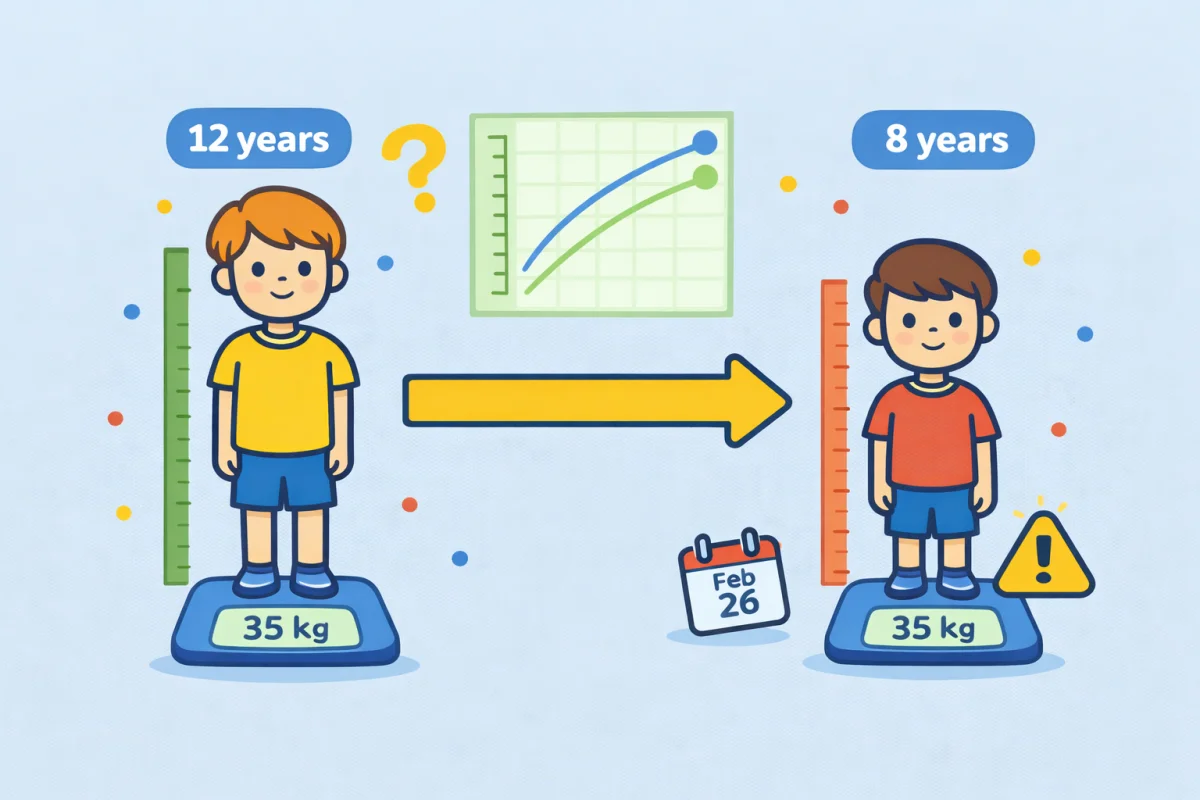 Ideal Weight for Children by Age and Height — What Parents Need to Know
Children's weight works differently than adults — it depends on age, height, and sex together. Here is how healthy weight is assessed in children and what the numbers actually mean.
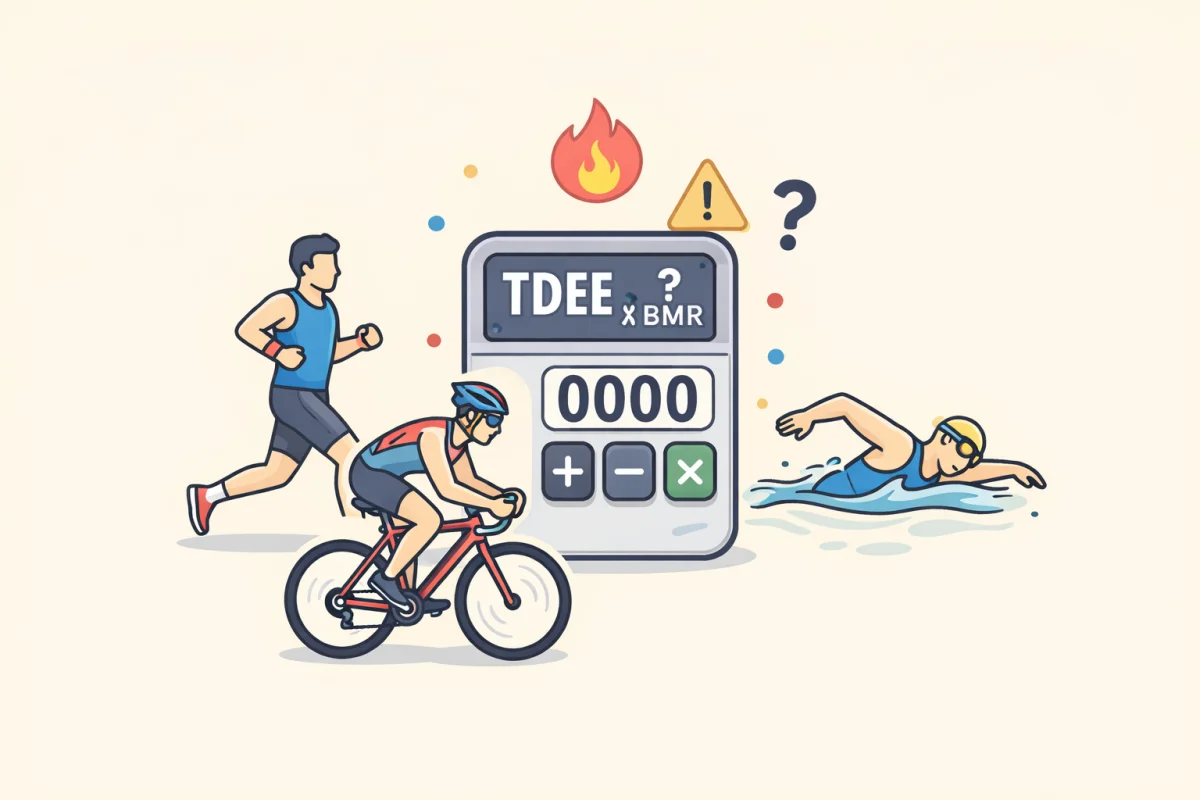 TDEE for Endurance Athletes — How Many Calories Do You Actually Need?
Endurance athletes burn far more calories than standard TDEE calculators estimate. Here is how to calculate your actual calorie needs for running, cycling, swimming, and triathlon training.