How to Choose the Right Activity Level for TDEE Without Overestimating
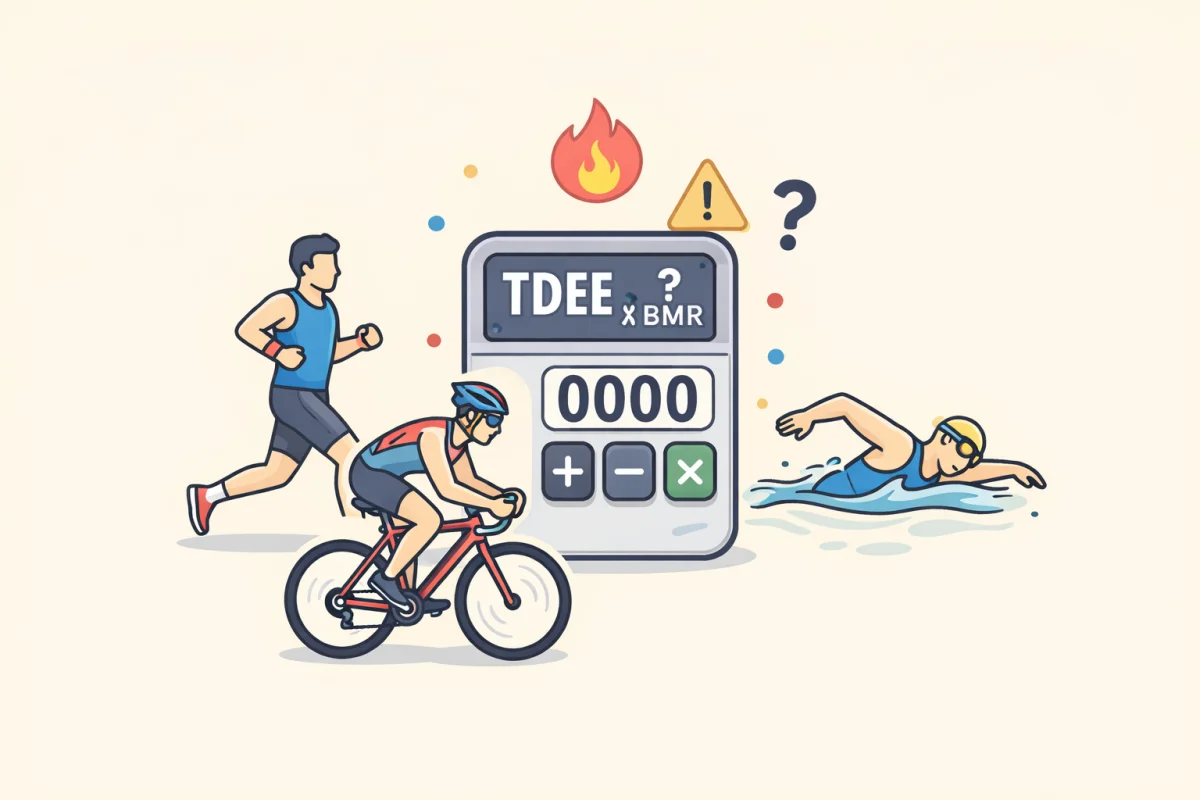
One of the biggest reasons TDEE calculators give people disappointing results is not the formula itself.
It is the activity level.
Most people do not struggle with entering height, weight, or age. They struggle with deciding whether they are sedentary, lightly active, moderately active, or highly active. And because everyone wants to believe they are a little more active than they really are, calorie estimates often drift upward before the plan even begins.
That is why people search for how to choose activity level for TDEE, what activity level should I choose, and why is my TDEE too high. The estimate is only as useful as the activity assumption behind it.
Why Activity Level Matters So Much
Your TDEE is not just about your body size. It also reflects how much energy you use in everyday life.
That includes:
- structured exercise
- daily movement
- work activity
- walking and general routine
This is why activity level can shift the calorie target far more than people expect. A small change in the selected category can create a meaningful difference in the final number.
If you want the full calorie estimate once your activity level is chosen, the TDEE Calculator is the tool that applies it directly.
Why People Overestimate Their Activity
This happens constantly for understandable reasons.
Someone may:
- train three or four times per week
- but sit at a desk for most of the day
or:
- feel mentally exhausted after work
- but still have relatively low physical movement overall
Those situations can still produce lower real-world energy expenditure than people expect.
The common mistake is treating exercise sessions alone as the full story while ignoring how sedentary the rest of the day may be.
What Activity Level Is Really Trying to Capture
When a calculator asks for activity level, it is not only asking:
- “Do you work out?”
It is really asking:
- “How much energy does your total lifestyle use on most days?”
That includes both:
- intentional exercise
- and baseline daily movement
This is why someone with a physical job and no gym routine may burn more than someone who lifts four times per week but spends the rest of the day sitting.
A Practical Way to Think About the Categories
Here is the most useful real-world interpretation:
Sedentary
- little formal exercise
- mostly seated work
- low daily movement
Lightly active
- some exercise or walking
- but not large amounts of daily movement overall
Moderately active
- regular training and/or a noticeably active routine
- consistent movement across the week
Very active
- hard training, physically demanding work, or both
- significantly above-average daily energy use
The mistake is usually picking categories based on identity rather than actual movement.
Why This Matters for Fat Loss
If you choose an activity level that is too high, your estimated TDEE rises.
That means your calorie target for fat loss may end up:
- too generous
- too close to maintenance
- or high enough to produce very slow progress
Then the person concludes the calculator is useless, when the real issue was the starting assumption.
Why This Matters for Macros Too
Calories come first, but macro targets usually depend on those calories.
That is why the Macros Calculator naturally belongs in the same workflow. If the total calorie estimate is inflated by a bad activity assumption, the macro plan built on top of it will be off too.
A realistic calorie estimate makes the macro split more useful immediately.
Common Signs You Chose Too High an Activity Level
A few red flags:
- your “fat loss” calories feel suspiciously high
- progress stalls even with decent consistency
- your actual daily movement is low outside training
- your training volume is moderate, but your chosen category is aggressive
These do not prove the calculator is wrong. They often suggest the activity input was too optimistic.
A Better Starting Strategy
If you are unsure, it is often smarter to:
- start slightly more conservatively
- track body-weight trend and real results
- adjust based on what actually happens
That is usually more reliable than trying to win the estimate on day one with the most flattering interpretation of your activity.
Common Mistakes People Make
1. Counting Workouts but Ignoring the Rest of the Day
A few training sessions do not automatically make a sedentary lifestyle highly active.
2. Picking the Category That “Feels Right”
The label should reflect energy output, not self-image.
3. Using the Same Activity Level All Year
Training and daily movement can change with season, work, stress, and routine.
4. Building a Full Nutrition Plan on a Weak Estimate
The weaker the activity assumption, the weaker the calorie and macro targets built on top of it.
Final Takeaway
If you want to choose the right activity level for TDEE, the key is to think about total daily movement, not just workouts. The best estimate is the one that reflects what your week actually looks like, not the version of it that sounds more impressive.
Use the TDEE Calculator to estimate daily calorie needs once you choose the most realistic activity level. Then use the Macros Calculator to turn that calorie target into a practical nutrition plan that is built on a stronger starting point.