How To Choose Correct Activity Level for TDEE Weh No Go Make You Overestimate
One of di biggest reason why TDEE calculators dey give people result wey no sweet, no be di formula itself.
Na di activity level.
Most people no dey struggle to enter height, weight, or age. Dem dey struggle to decide whether dem be sedentary, lightly active, moderately active, or highly active. And because everybody want believe say dem dey move pass wetin dem really dey do, calorie estimate dey often climb up before di plan even start.
Na why people dey search how to choose activity level for TDEE, what activity level should I choose, and why is my TDEE too high. Di estimate na only as useful as di activity assumption wey you put inside am.
Why activity level dey matter well-well
Your TDEE no be only about your body size. E still show how much energy you dey use for everyday life.
E include:
- exercise wey you plan (structured exercise)
- daily movement
- work activity
- walking and general routine
Na why activity level fit change your calorie target pass wetin people dey expect. Small change for di category wey you choose fit make big difference for di final number.
If you wan get di full calorie estimate after you pick your activity level, TDEE Calculator na di tool wey go apply am directly.
Why people dey overestimate how active dem be
E dey happen plenty, and e get reason.
Person fit:
- train three or four times for one week
- but sit down for desk almost di whole day
or:
- feel mentally tired after work
- but still no dey move body plenty for physical side
Dem fit still get lower real-world energy expenditure pass wetin dem dey expect.
Di common mistake na to treat workouts alone like na di full story, while you ignore how sedentary di rest of di day fit be.
Wetin activity level dey try capture
When calculator ask activity level, e no dey only ask:
- “You dey work out?”
E dey really ask:
- “How much energy your whole lifestyle dey use for most days?”
E include both:
- intentional exercise
- and baseline daily movement
Na why person wey get physical job but no dey gym fit burn pass person wey lift four times for one week but sit down di rest of di day.
Practical way to think about di categories
Na dis interpretation dey help pass:
Sedentary
- little or no formal exercise
- mostly seated work
- low daily movement
Lightly active
- some exercise or walking
- but overall daily movement no too much
Moderately active
- regular training and/or routine wey dey noticeably active
- consistent movement throughout di week
Very active
- hard training, physical work, or both
- daily energy use dey well above average
Di mistake dey usually be say people pick category based on identity, no be based on actual movement.
Why e matter for fat loss
If you choose activity level wey too high, your estimated TDEE go rise.
That one mean your calorie target for fat loss fit end up:
- too generous
- too close to maintenance
- or high enough to make progress slow well-well
Then person go conclude say calculator no useful, when di real issue na di assumption wey dem start with.
Why e matter for macros too
Calories come first, but macro targets dey usually depend on di calories.
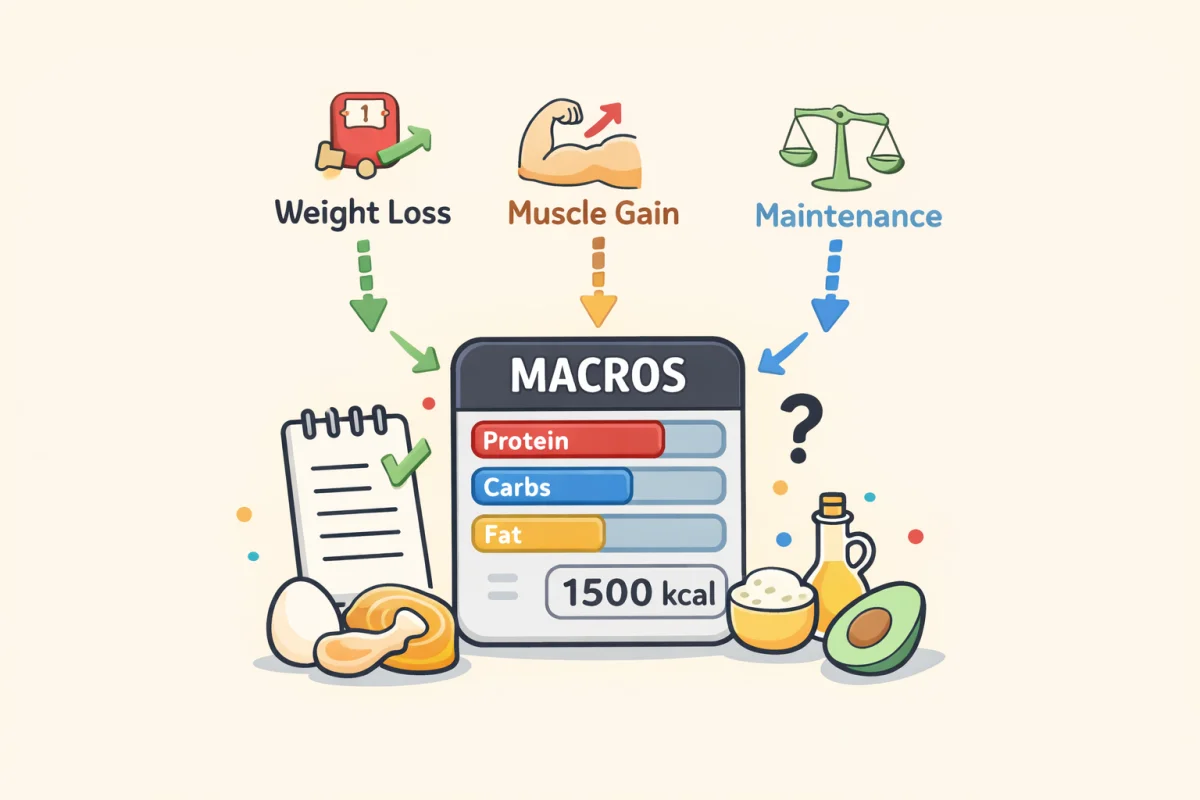
Na why Macros Calculator dey naturally follow for di same workflow. If total calorie estimate don inflate because of bad activity assumption, di macro plan wey you build on top go still miss too.
When calorie estimate realistic, di macro split go make sense quick.
Signs say you choose activity level wey too high
Some red flags:
- your “fat loss” calories dey look too high for your mind
- progress dey stall even when you dey consistent
- your real daily movement low outside training
- your training volume moderate, but di category wey you pick aggressive
Dis ones no mean say calculator wrong. Dem often mean say di activity input too optimistic.
Better starting strategy
If you no sure, e dey often better make you:
- start small conservative
- track body-weight trend and real results
- adjust based on wetin dey actually happen
That one dey usually more reliable pass to try “win” di estimate from day one with di most flattering meaning of your activity.
Common mistakes
1. You count workouts but you ignore di rest of di day
Few training sessions no automatically mean say sedentary lifestyle don turn very active.
2. You pick category wey “feel right”
Di label suppose reflect energy output, no be self-image.
3. You use same activity level all year
Training and daily movement fit change with season, work, stress, and routine.
4. You build full nutrition plan on top weak estimate
Di weaker di activity assumption, di weaker di calorie and macro targets wey you build on top of am.
Final takeaway
If you wan choose correct activity level for TDEE, di key na to think about total daily movement, no be only workouts. Di best estimate na di one wey match how your week really be, no be di version wey sound more impressive.
Use di TDEE Calculator to estimate your daily calorie needs after you choose di most realistic activity level. Then use di Macros Calculator to turn dat calorie target into practical nutrition plan wey stand on better starting point.