Is BMI Accurate for Athletes? Why the Number Often Misses the Point
BMI is one of the fastest health metrics to calculate, which is exactly why it creates frustration for athletes.
Someone trains hard, builds muscle, stays lean, and then gets a BMI result that suggests they are overweight. That feels wrong because, in many cases, it is wrong for the question the person is actually trying to answer.
That is why people search for is BMI accurate for athletes, BMI for muscular people, and why athletes have high BMI. They are not confused about the formula. They are trying to understand why a widely used health number can feel so disconnected from physical reality.
Why BMI Can Mislead Athletes
BMI measures:
- weight relative to height
It does not measure:
- muscle mass
- body-fat percentage
- fat distribution
- athletic conditioning
That limitation matters much more for athletes than for the average person because training often increases lean mass significantly.
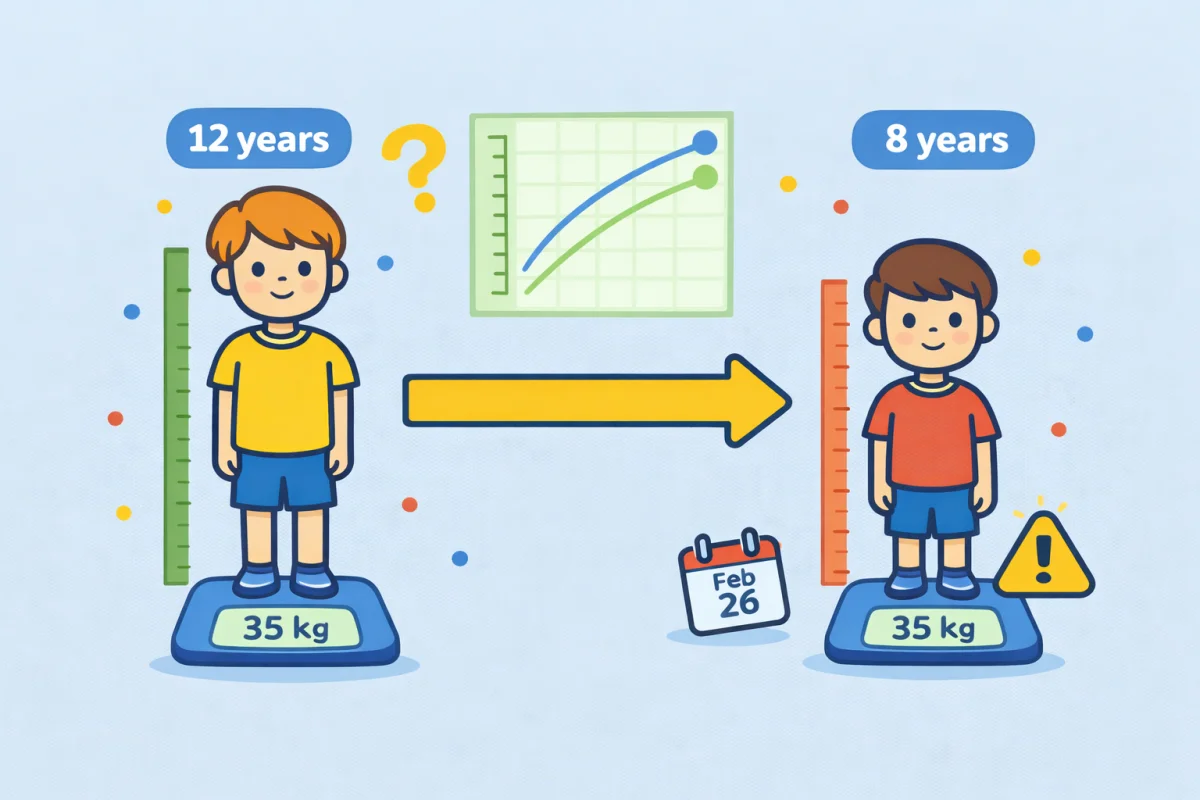
If two people are the same height and weight, they will get the same BMI even if one has much more muscle and much less body fat.
That is the core reason athletes often find BMI frustrating.
If you want the standard BMI number anyway, the BMI Calculator gives it immediately. The problem is not with the arithmetic. The limitation is what the arithmetic leaves out.
Why a High BMI Does Not Always Mean Excess Fat
For many people, a high BMI correlates reasonably well with higher body-fat levels. For athletes and muscular individuals, that assumption breaks down more easily.
Examples where this happens:
- strength athletes
- bodybuilders
- well-trained field-sport athletes
- people with naturally high lean mass
In those cases, BMI may classify someone in a range that sounds concerning even when body composition tells a very different story.
Why Body-Fat Context Matters More for Athletes
This is where the conversation becomes more useful.
If the real question is:
- “How lean am I?”
- “How much of my weight is muscle versus fat?”
- “Does my body composition match my goals?”
then BMI is not the strongest tool by itself.
That is why the Body Fat Calculator is the natural companion for athletes. It gives context BMI cannot provide on its own.
Why Athletes Still See BMI Everywhere
Even though BMI has limits, it remains common because it is:
- fast
- standardized
- cheap to use at scale
That makes it useful in:
- public-health screening
- administrative forms
- broad medical records
- population-level studies
The important distinction is that a metric can be useful for large-scale screening while still being imperfect for an individual athlete.
What About “Ideal Weight” for Athletes?
This is another place where generic frameworks can fall short.
People often respond to a BMI result by asking:
- “What should I weigh?”
The Ideal Weight Calculator can be useful as a general reference point, but athletes still need to interpret that number carefully. A target weight that looks sensible in a broad formula may not reflect the person’s actual sport, performance goals, or lean-mass profile.
That is why athletes often need context, not just a category.
When BMI Is Still Useful for Athletes
BMI is not completely useless for athletes.
It can still help as:
- a simple screening metric
- a broad trend marker over time
- a quick reference when used carefully
But the more athletic and muscular the individual is, the less comfortable it becomes to treat BMI as a complete judgment about health or body composition.
Common Mistakes People Make
1. Assuming BMI Is Broken Because It Doesn’t Fit Athletes Perfectly
BMI is doing what it was designed to do. The limitation is that people often ask it questions it was never built to answer.
2. Treating an “Overweight” BMI as Automatic Proof of Poor Health
For athletes, that can be especially misleading.
3. Ignoring Body Composition Entirely
This is the biggest problem. Muscle and fat do not affect health in the same way, even when the scale weight is identical.
4. Expecting One Number to Explain Performance, Health, and Appearance
No single screening metric can do that well.
A Better Way for Athletes to Use BMI
The best approach is usually:
- calculate BMI as a broad reference
- add body-fat context
- interpret the number in light of training status and physique
That makes BMI more useful without pretending it is the whole story.
Final Takeaway
If you are asking whether BMI is accurate for athletes, the practical answer is that it is often limited because it does not distinguish muscle from fat. For people with higher lean mass, BMI can look more concerning than their actual body composition justifies.
Use the BMI Calculator for the standard screening number, but pair it with the Body Fat Calculator and, where helpful, the Ideal Weight Calculator to get a more realistic picture of what the number actually means.