How to Calculate TDEE for Fat Loss or Maintenance Without Guessing
If you have ever tried to set calories for fat loss, maintenance, or muscle gain, you have probably run into the term TDEE.
It shows up in calorie calculators, nutrition plans, fitness apps, and almost every article about cutting or maintaining weight. People know it is supposed to be important, but a lot of them still are not sure what it actually means or how reliable it is in practice.
That is why people search for how to calculate TDEE, what is TDEE, and TDEE for fat loss. They are not just trying to find a number. They want to know how to use that number without building their diet around a bad estimate.
What TDEE Actually Means
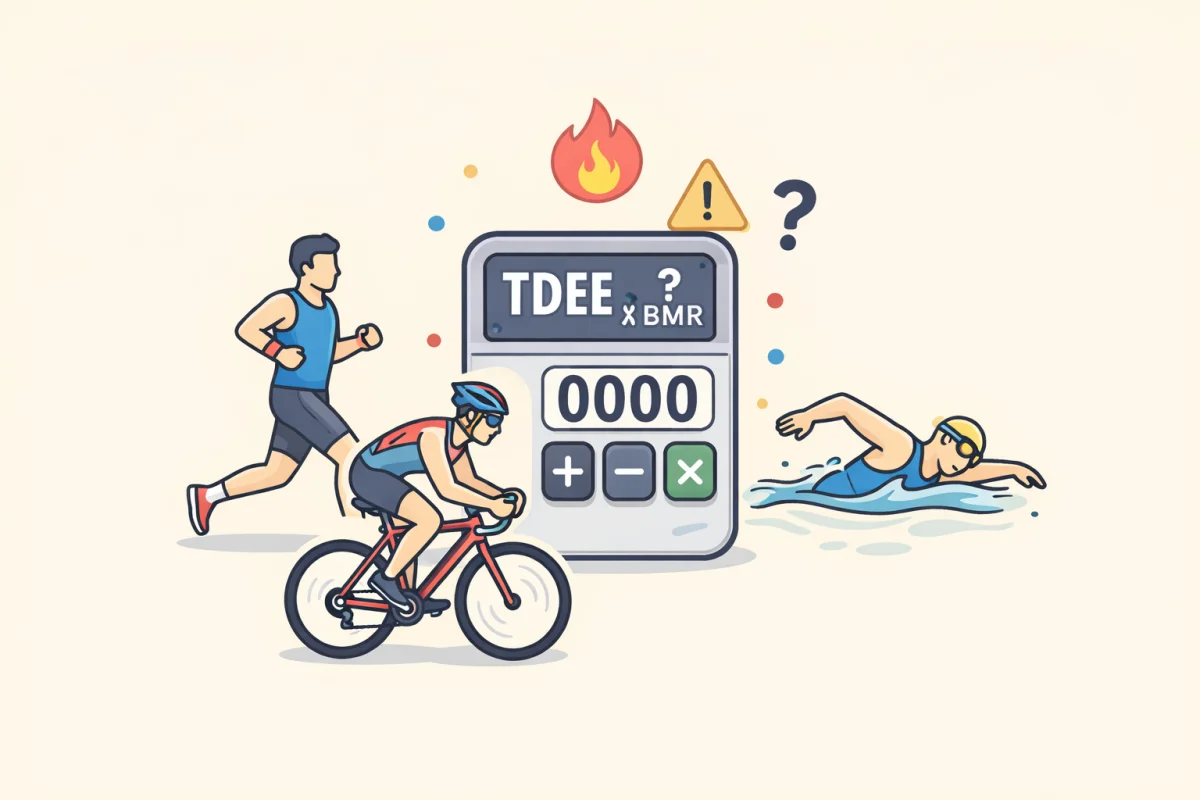
TDEE stands for total daily energy expenditure.
In practical terms, it is the estimated number of calories you burn in a day once you account for more than just basic survival.
It usually includes:
- your baseline energy needs
- movement and activity
- exercise
- some energy used to digest food
That makes it much more useful than a resting-calorie estimate alone, because TDEE is closer to the real number people need for nutrition planning.
If you want a fast estimate based on your stats and activity level, the TDEE Calculator gives you the number directly.
Why TDEE Matters So Much
Most nutrition goals depend on energy balance.
If you want to:
- lose fat
- maintain weight
- or gain weight gradually
you need a starting point for calorie intake.
TDEE is that starting point.
Without it, calorie targets often become random:
- too low and unsustainable
- too high to produce results
- or inconsistent enough to make progress hard to interpret
TDEE for Maintenance
If your calorie intake roughly matches your TDEE, your body weight will tend to stay relatively stable over time.
That is why TDEE is often called your maintenance calories.
It is not a magic fixed number that never changes, but it is a strong working estimate.
For many people, this is the most practical use of TDEE:
- find maintenance first
- then adjust up or down based on the goal
TDEE for Fat Loss
For fat loss, people usually eat below estimated TDEE.
The idea is simple:
- if energy intake is lower than energy expenditure, body weight tends to trend downward over time
The mistake people often make is assuming the bigger the deficit, the better the plan. In reality, overly aggressive calorie cuts often create:
- poor adherence
- fatigue
- rebound eating
- worse training performance
That is why a useful TDEE estimate is valuable. It helps create a realistic calorie target instead of a dramatic one.
Why Macros and TDEE Belong Together
This is where TDEE becomes much more practical.
Once someone estimates daily calorie needs, the next question is usually:
- “How should I split those calories?”
That is exactly where the Macros Calculator becomes relevant. TDEE helps estimate total calories. Macro planning helps decide how protein, carbs, and fats fit into that calorie target.
These tools solve different parts of the same problem.
Why TDEE Is an Estimate, Not a Perfect Truth
This matters more than people expect.
TDEE calculators are useful, but they still rely on assumptions about:
- body size
- age
- activity level
- average energy use
That means two people with the same inputs may still burn slightly different amounts in real life.
So the best way to think about TDEE is:
- a very useful starting estimate
- not a permanent exact number
That mindset prevents a lot of unnecessary frustration.
Common TDEE Mistakes
1. Choosing the Wrong Activity Level
This is one of the biggest reasons estimates go off track.
People often select a higher activity level because they train a few times per week, even if most of the day is still sedentary.
2. Treating TDEE as Fixed Forever
Body weight, movement, training, and life routine can all change the number over time.
3. Building Macros Before Calories Make Sense
Macro targets work better when total calories are grounded in a reasonable TDEE estimate.
4. Expecting Perfect Precision Immediately
TDEE works best when used as a starting point and then adjusted based on real-world response.
A Practical Way to Use TDEE
The cleanest process usually looks like this:
1. estimate TDEE 2. decide whether the goal is maintenance, fat loss, or gain 3. set calories accordingly 4. divide those calories into macros if needed 5. monitor results and adjust
That is a much more stable process than trying to guess calorie needs from intuition alone.
Final Takeaway
If you want to calculate TDEE for fat loss or maintenance, the key is to treat it as a practical starting estimate for daily calorie needs, not as a perfect biological truth. It is one of the most useful numbers in nutrition planning because it gives structure to calorie targets that would otherwise be arbitrary.
Use the TDEE Calculator to estimate your maintenance calories, and use the Macros Calculator once you want to turn that calorie target into a more complete eating plan.