How to Plan a Bedroom Layout That Actually Works
A bedroom can contain all the right furniture and still feel wrong.
The bed fits. The wardrobe fits. The nightstands fit. And yet the room feels cramped, awkward, or strangely hard to use. That usually happens because layout decisions were made one piece at a time instead of as part of a full plan.
That is why people search for how to arrange a bedroom, bedroom layout ideas, and how to plan a bedroom layout. They are not only trying to make the room look better. They are trying to make it calmer, more practical, and easier to live in every day.
Why Bedroom Layout Matters More Than People Expect
Bedrooms do more than hold furniture.
They need to support:
- sleep
- storage
- movement
- visual calm
- sometimes work or dressing space
Because of that, a bedroom layout is not successful just because everything fits inside the room. It is successful when the room feels comfortable to use without friction.
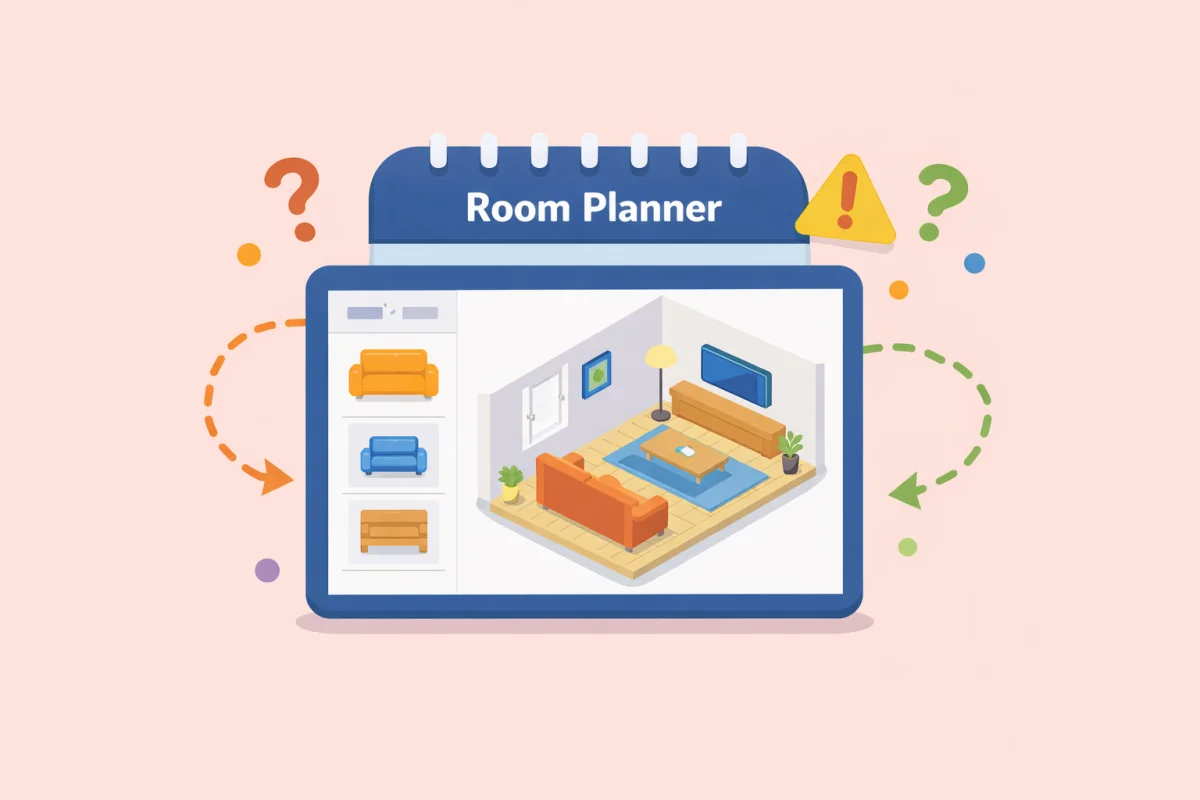
If you want to test arrangements before moving or buying anything, the Room Planner is the practical place to start.
Start With the Bed as the Anchor
In most bedrooms, the bed is the dominant piece.
That means the layout should usually begin there.
Before placing anything else, decide:
- which wall makes the most sense for the bed
- how the bed affects circulation
- whether there is enough clearance around it
- how the placement changes access to storage and doors
Once the bed is right, the rest of the room becomes much easier to organize.
Protect Walkways First
This is where many bedroom layouts fail.
People often focus on fitting more furniture instead of protecting movement. The result is a room that technically works but feels annoying in daily use.
A good bedroom layout should allow you to:
- get in and out of bed comfortably
- open wardrobes or drawers
- move around without squeezing through tight gaps
- access windows and doors easily
If the room feels blocked, the layout is doing more harm than the extra furniture is worth.
Think About the Real Function of the Room
Not every bedroom has the same job.
Some bedrooms are mostly for:
- sleep and rest
Others also need to support:
- storage
- dressing
- work
- a nursery corner
- limited floor space in shared housing
That changes what the layout should prioritize.
A bedroom with a desk needs different clearance than one focused only on sleep. A small main bedroom may need better wardrobe access than decorative symmetry.
Common Bedroom Layout Mistakes
1. Choosing Bed Placement Based Only on Symmetry
Centered layouts can look nice, but if they block storage or make movement awkward, they are not actually solving the right problem.
2. Overfilling the Room
Bedrooms often work better with one less piece of furniture than one too many.
3. Ignoring Door and Drawer Swing Space
A wardrobe that opens badly or a drawer that hits another object turns the whole room into a daily annoyance.
4. Forcing “Inspiration Photo” Layouts Into the Wrong Room Shape
Good layout depends on your room’s dimensions, not on copying a bedroom from a different space.
Why Small Bedrooms Need Even More Planning
Small bedrooms magnify every bad decision.
An oversized bed, bulky bedside furniture, or a badly placed wardrobe can make the room feel crowded instantly. In a small room, planning is not a luxury. It is what prevents the space from becoming frustrating.
That is why testing the layout first matters even more when space is limited.
A Better Way to Plan a Bedroom Layout
The most practical sequence usually looks like this:
1. measure the room 2. place the bed first 3. protect walkways and opening space 4. add only the storage and furniture the room can support cleanly 5. check whether the room still feels calm and usable
That process helps prevent the common mistake of solving for furniture count instead of room function.
Why Planning Before Buying Saves Money
Bedroom furniture is expensive to “figure out later.”
A layout plan helps you avoid:
- buying a bed that dominates the room
- adding storage that blocks movement
- choosing pieces that fit individually but not together
- paying for things that make the room less comfortable
A few minutes of planning usually cost less than one wrong furniture purchase.
Final Takeaway
If you want to plan a bedroom layout that actually works, start with the bed, protect movement, and make the room serve its real purpose instead of forcing too many pieces into the space. Good bedroom layout is less about styling tricks and more about making the room easy to live in every day.
Use the Room Planner to test the arrangement before you move furniture or buy anything new. In bedrooms, that step usually saves both money and frustration.