BMI for Women vs Men: What Changes, What Doesn’t, and What to Watch
People often assume BMI works differently for women and men because bodies obviously differ in shape, muscle distribution, and body-fat patterns.
That intuition is partly right and partly misleading.
The BMI formula itself does not change based on sex. But the way the number relates to body composition can feel different in real life, which is why people keep searching for BMI for women, BMI for men, and does BMI work the same for everyone.
If you want the practical answer, the key is to separate what BMI measures from what people expect it to measure.
Does BMI Use a Different Formula for Women and Men?
No.
The standard BMI formula is the same for adults regardless of sex:
- weight relative to height
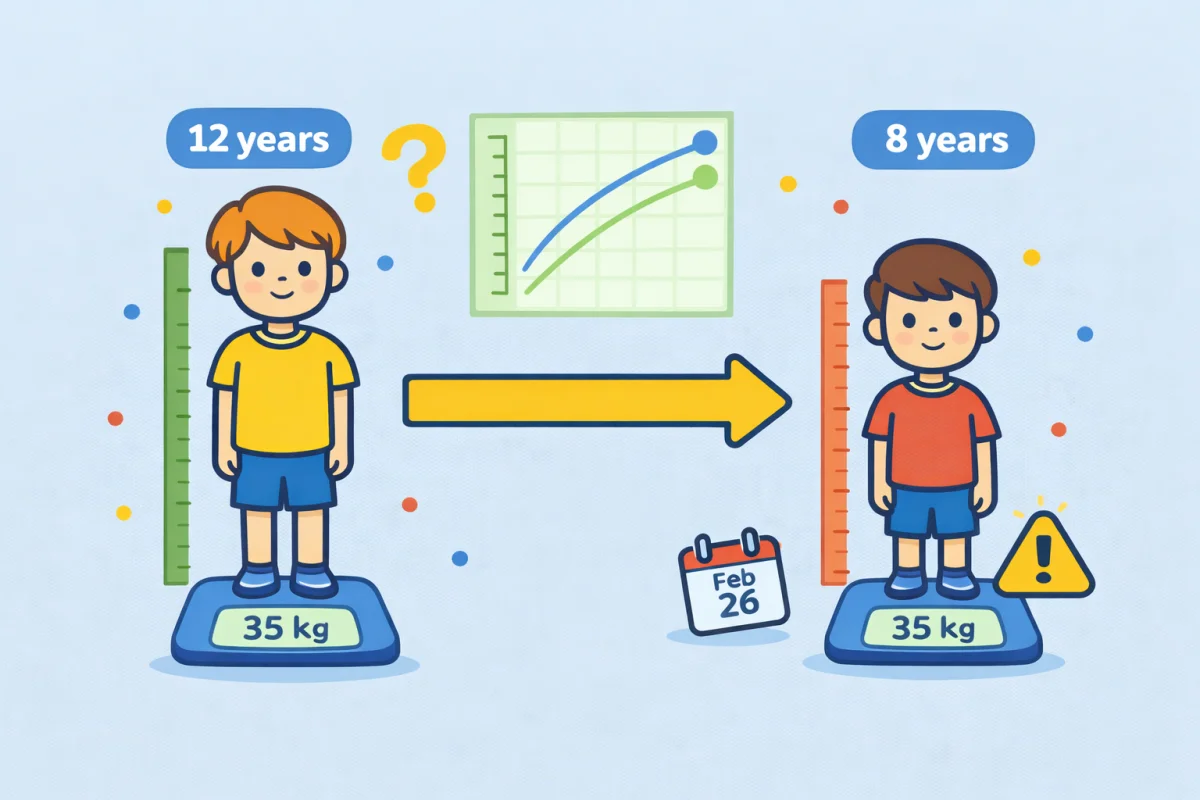
That means if two adults have the same height and weight, they will have the same BMI number.
If you want the number directly from height and weight, the BMI Calculator gives the result immediately.
So Why Does BMI Feel Different in Practice?
Because BMI does not measure body composition directly.
It does not tell you:
- how much of your weight is muscle
- how much is fat
- where body fat is distributed
- how fit or metabolically healthy you are
This matters because women and men often differ in average body-fat percentage and body-composition patterns, even when BMI is identical.
That is why two people with the same BMI may not have the same body-fat profile or the same health context.
What BMI Is Good At
BMI is still useful as a broad screening tool.
It helps with:
- quick weight-for-height classification
- population-level trends
- rough first-pass health screening
- spotting large changes over time
It remains useful because it is simple and widely understood. The issue is not that BMI is worthless. The issue is that people often ask it to do more than it was designed to do.
Why Body-Fat Context Matters More
This is where the practical difference between women and men often shows up.
Because body composition can vary significantly, a BMI number alone may leave out the context people actually care about.
That is why the Body Fat Calculator is a natural companion to BMI. BMI gives a broad screening number. Body-fat estimation helps explain what that weight may represent in a more physically meaningful way.
Why People Also Ask About “Ideal Weight”
Once someone sees a BMI category, the next question is often:
- “What should I weigh?”
That is a different question from BMI itself.
The Ideal Weight Calculator is relevant here because it helps frame target ranges in a way people often find easier to relate to than BMI categories alone. BMI screens. Ideal-weight tools give a different kind of reference point.
Does BMI Work Better for Some People Than Others?
Yes.
BMI tends to work reasonably well as a general screening tool for many adults. But it becomes less informative when body composition differs meaningfully from what the rough population averages assume.
That can include:
- very muscular people
- highly trained athletes
- people with low muscle mass
- people mainly concerned with body composition rather than scale weight alone
This is why someone can have a BMI that looks “healthy” while still wanting more context, or a BMI that looks high while not fitting the usual assumptions behind it.
Common Mistakes People Make
1. Assuming BMI Is Personalized
BMI is standardized. That is part of its usefulness, but also part of its limitation.
2. Treating BMI as a Complete Health Verdict
It is not. It is one screening number.
3. Ignoring Body Composition Differences
This is where people often feel that BMI “doesn’t fit,” even when the formula itself is working as designed.
4. Expecting BMI to Answer the Ideal-Weight Question by Itself
BMI and ideal-weight references overlap, but they are not identical.
A Better Way to Use BMI
The best way to use BMI is usually:
- as a first-pass screening tool
- alongside body-fat context
- alongside broader health markers when needed
That approach makes the number useful without asking it to explain everything.
Final Takeaway
If you are asking about BMI for women vs men, the main point is simple: the BMI formula is the same, but the meaning of the number can feel different because body composition is not identical across individuals or across sexes. BMI still works as a broad screening tool, but it becomes much more useful when paired with better context.
Use the BMI Calculator for the standard number, the Body Fat Calculator for composition context, and the Ideal Weight Calculator if the next question is what a realistic target range might look like.