Cups to mL Baking Conversion Guide: How to Convert Recipe Volumes Without Guesswork
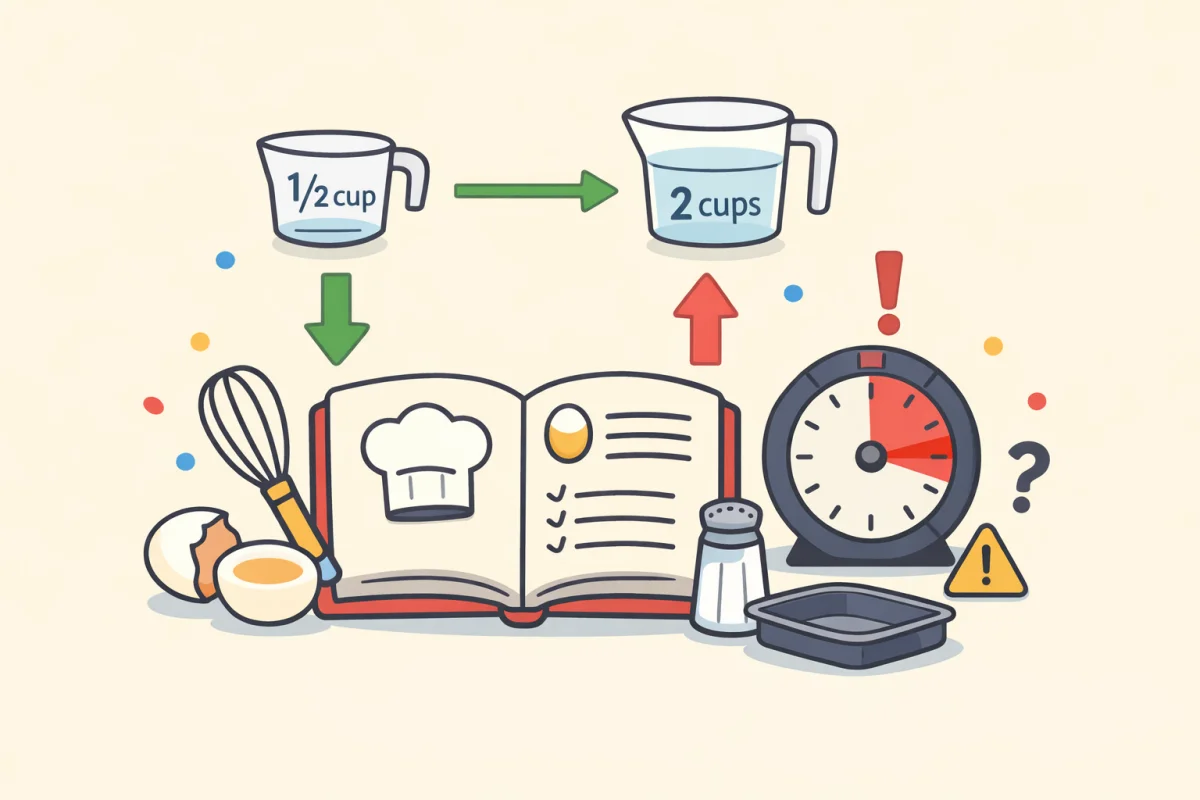
Some recipes fail long before they reach the oven.
Not because the ingredients were bad. Not because the method was wrong. But because one cook read 1 cup and another measured 250 mL, and both assumed they were working with the same thing.
That is why cups to mL is one of the most useful kitchen conversions to get right. It looks simple on paper, but once you mix US recipes, metric recipes, ingredient density, and casual measuring habits, small mistakes add up fast.
If you regularly search for cups to ml, how many ml in a cup, or recipe volume conversion, this is the practical guide that matters.
Why Cups to mL Conversion Causes So Much Confusion
The problem is not only that cups and milliliters use different unit systems.
The bigger problem is that the word cup is not as universal as people think.
Depending on the context, a cup may refer to:
- A US cup:
236.59 mL - A metric cup:
250 mL - A recipe convention rather than an exact standard in everyday cooking
That difference matters. In casual soups or sauces, it may not matter much. In cakes, muffins, pancakes, custards, and batters, it absolutely can.
The Most Common Cups to mL Conversions
For practical kitchen use, these are the values people look up most often:
| Cups | US milliliters | Rounded kitchen value |
|---|---|---|
1/4 cup | 59.15 mL | 60 mL |
1/3 cup | 78.86 mL | 80 mL |
1/2 cup | 118.29 mL | 120 mL |
3/4 cup | 177.44 mL | 180 mL |
1 cup | 236.59 mL | 240 mL |
2 cups | 473.18 mL | 480 mL |
Most everyday recipe conversions use the rounded values. They are easier to work with and close enough for typical home cooking.
If you need an exact conversion, the Volume Converter gives you the precise number.
Why Bakers Prefer Metric Volume or Weight
Baking is less forgiving than general cooking.
If a recipe already has several variables working against consistency, such as oven accuracy or ingredient brand differences, imprecise volume measurement creates one more unnecessary problem.
That is why many bakers prefer:
- Milliliters for liquids
- Grams for dry ingredients
Even when a recipe starts in cups, converting carefully can make the result more repeatable, especially if you bake the same recipe more than once.
The Most Common Recipe Conversion Mistakes
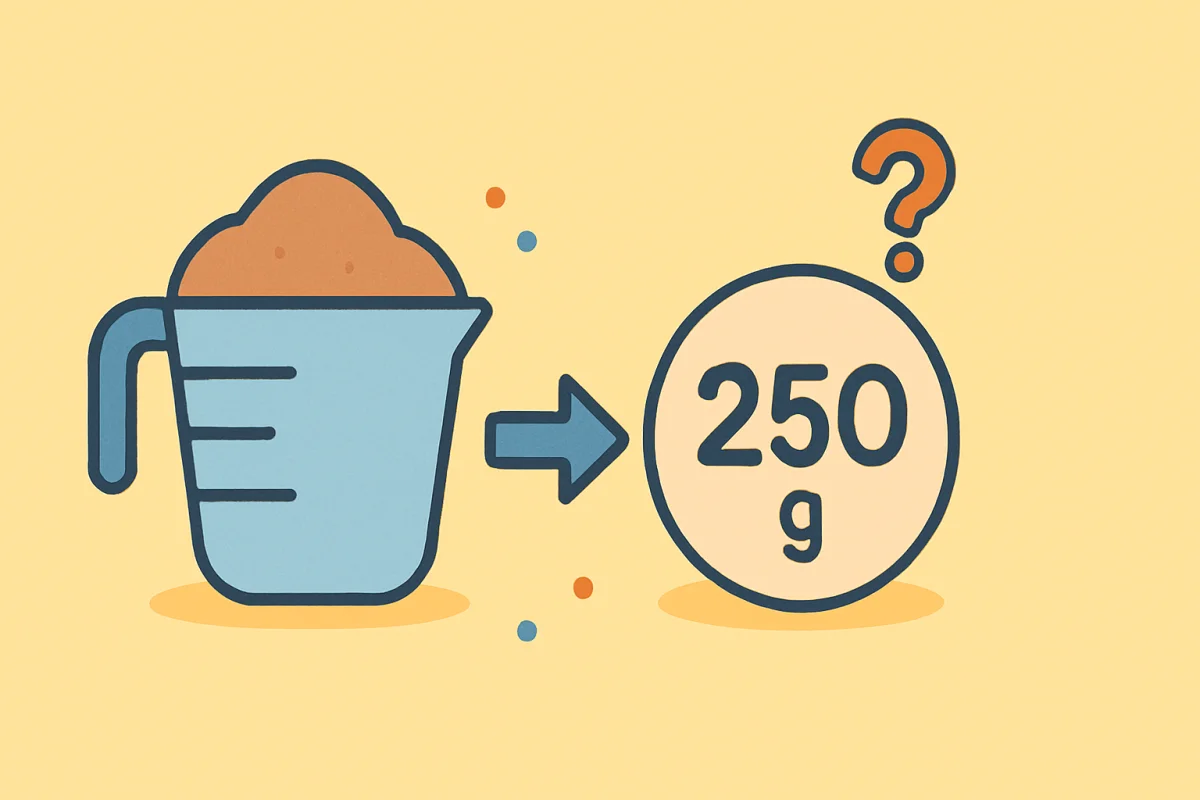
1. Treating Every Cup as 250 mL
This is the simplest mistake and one of the most common.
A metric cup is often 250 mL, but many US recipes assume 236.59 mL. That gap may seem small, but it compounds when a recipe uses multiple cups.
2. Measuring Dry Ingredients by Volume Too Casually
Flour is the classic example. One person scoops directly from the bag, another spoons flour into the cup and levels it, and the final amount differs more than people expect.
That is why volume conversion helps, but weight is often still better for precision baking.
3. Converting Liquids and Dry Ingredients the Same Way
Milliliters are a volume unit. Grams are a weight unit. Liquids can often convert neatly by volume, but dry ingredients behave differently depending on density.
4. Rounding Every Number Aggressively
Rounding 236.59 mL to 250 mL for one cup may be acceptable in some recipes. Doing similar rounding for every ingredient in a delicate bake can shift the balance.
When Rounded Kitchen Conversions Are Fine
In many real kitchens, approximate rounded values work well.
For example:
1 cup ≈ 240 mL1/2 cup ≈ 120 mL1/4 cup ≈ 60 mL
These rounded numbers are practical for:
- Sauces
- Pancake batter
- Everyday cooking
- Quick breads
- General meal prep
They matter less where precision is flexible and more where texture is sensitive.
When More Precision Matters
Use more exact conversions when you are making:
- Cakes
- Pastry
- Custards
- Bread
- Recipes you plan to repeat or scale
In those cases, careful conversion reduces the number of variables you need to troubleshoot later.
Why Volume and Cooking Conversions Belong Together
This is one of the clearest overlaps in the unit category.
When someone converts cups to milliliters, they are almost always dealing with a cooking task at the same time. The volume question is not theoretical. It is tied to:
- Batter texture
- Sauce consistency
- Recipe scaling
- Measuring tools available in the kitchen
That is why the Volume Converter and the Cooking Converter naturally support the same workflow. One helps standardize general volume units, and the other helps when the recipe includes broader kitchen-measurement conversions.
Quick Reference: How Many mL in a Cup?
If you only need the practical short version:
1 cup = 240 mLin most everyday US recipe rounding1 metric cup = 250 mL1/2 cup = 120 mL1/4 cup = 60 mL
That gets you through most home cooking without stopping every few minutes.
Final Takeaway
The reason cups to mL conversion causes so much confusion is not the math itself. It is the hidden assumption that every recipe means the same kind of cup and that every ingredient behaves well with casual measuring.
For better consistency, convert carefully, round only when the recipe allows it, and remember that liquids, dry ingredients, and baking formulas do not all tolerate the same level of approximation. If you need a clean exact value, use the Volume Converter. If the recipe also crosses kitchen-specific units, the Cooking Converter is the natural companion.