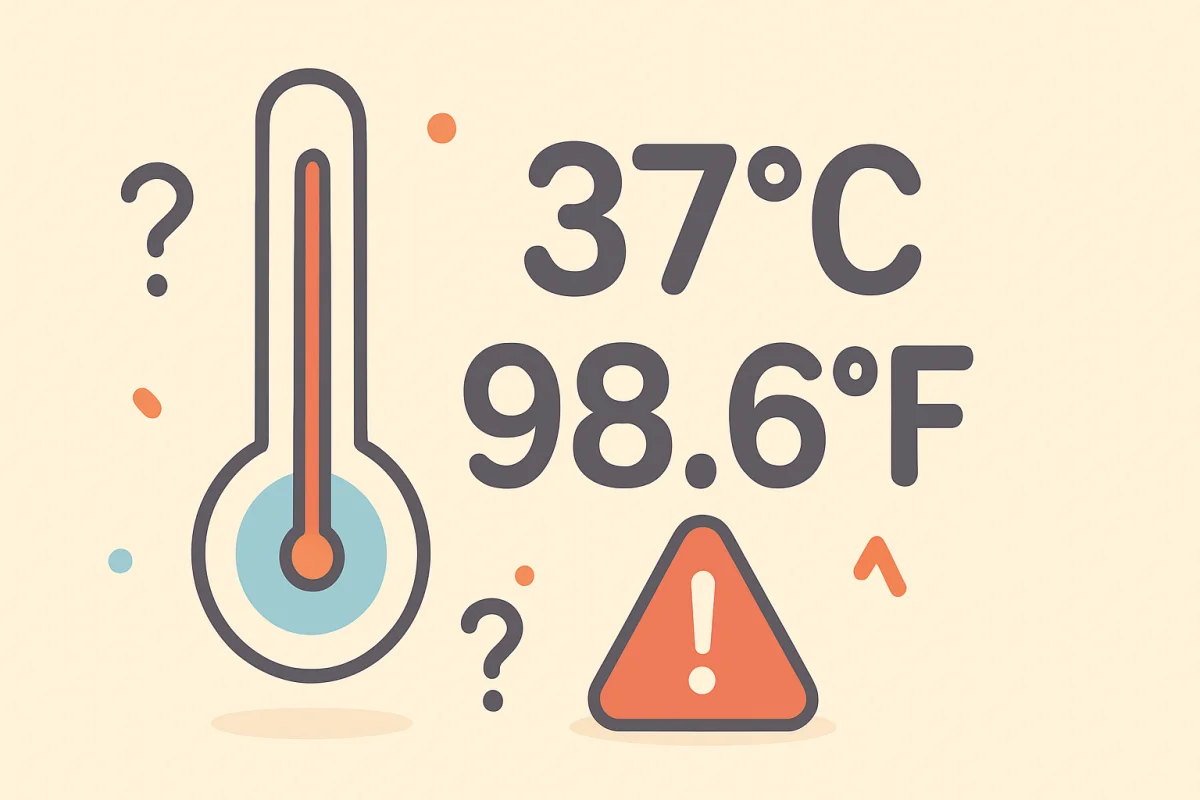
Fridge and Freezer Temperature Guide: Safe Celsius and Fahrenheit Settings for Food Storage
Most people dey think about food safety only when something smell wrong, look wrong, or taste wrong.
Better time to think about am na earlier — for your temperature setting.
If your refrigerator too warm, food go spoil quick pass as you expect. If your freezer no cold reach, food quality go drop and storage go less reliable. Na why plenty people dey search fridge temperature in Celsius, freezer temp in Fahrenheit, and wetin temperature refrigerator suppose dey.
The answer simple, but e help to understand the numbers well for both unit systems.
Wetin Temperature Fridge Suppose Dey?
For most houses, safe target for refrigerator na:
- 4°C or below
- 40°F or below
Na common guideline because colder temperature dey slow bacteria growth and help perishable food stay safe longer.
If your fridge dey usually pass that level, you dey take unnecessary risk with:
- Milk and dairy
- Cooked leftovers
- Raw meat
- Cut fruit
- Meal-prepped food
For best result, many people dey aim small below the upper limit so temperature go still safe even when door dey open often.
Wetin Temperature Freezer Suppose Dey?
For freezer, standard target na:
- -18°C
- 0°F
Na the benchmark most food safety guidance dey use for long-term frozen storage.
For that temperature, food go remain frozen well-well and quality go preserve better as time dey go.
Celsius and Fahrenheit Fridge Temperature Conversions
If your appliance manual, thermometer, or recipe source dey use different units, na these key reference points:
| Celsius | Fahrenheit | Use |
|---|---|---|
4°C | 39.2°F | Safe fridge target |
5°C | 41°F | Warmer than ideal |
0°C | 32°F | Freezing point of water |
-18°C | 0°F | Standard freezer setting |
To convert Celsius to Fahrenheit:
°F = (°C × 9/5) + 32
To convert Fahrenheit to Celsius:
°C = (°F - 32) × 5/9
If you want exact values quick-quick, use the Temperature Converter.
Why Correct Fridge Temperature Dey Matter Pass Wetin People Think
Refrigerator no dey make food last forever. E just dey slow spoilage.
That mean fridge wey set just small too warm fit shorten safe storage time for foods wey people think say dem still fine, including:
- Leftover rice and pasta
- Cooked chicken
- Opened deli meat
- Soft cheeses
- Prepared sauces
Difference between 4°C and 7°C no sound like big thing, but for food storage e really matter.
Why Freezer Temperature Na About Quality Too
People dey treat freezer like reset button for food. E no be so.
Freezing dey stop the quick spoilage wey you dey see for fridge, but wrong freezer temperature still dey affect:
- Texture
- Flavor
- Moisture retention
- Burn from air exposure
If your freezer dey struggle to stay near -18°C or 0°F, food fit still remain frozen, but e go lose quality faster pass as you expect.
How You Fit Check the Real Temperature
The number wey dey for the appliance dial no always be the real temperature inside.
Most practical approach na:
- Put fridge or freezer thermometer inside
- Leave am make e settle well
- Check am after normal use, no be immediately after you stock or clean
This one go give you real storage temperature instead of guess wey base on dial position.
Common Mistakes People Dey Make With Refrigerator and Freezer Settings
1. Trusting the Dial Instead of the Actual Temperature
Many fridges dey use vague settings like 1 to 5 or cold to coldest. Those ones no be temperature reading.
2. Overfilling the Fridge
Fridge wey full too much fit block airflow, wey go cause warmer spots and uneven cooling.
3. Opening the Door Too Often
If you dey open door frequently, e dey raise inside temperature pass wetin people think, especially for busy kitchen.
4. Confusing “Cold Enough” With “Food Safe”
Food fit feel cold but still dey store above the recommended safe threshold.
How Dis One Take Relate to Cooking and Meal Prep
Dis topic get direct connection to kitchen workflow, no be only appliance maintenance.
People wey dey batch cook, prep ingredients, cool leftovers, or thaw frozen food dey always move between:
- Cooking temperatures
- Storage temperatures
- Ingredient measurements
Na why dis article get real overlap between the Temperature Converter and the Cooking Converter. One dey help you standardize Celsius and Fahrenheit, and the other dey help when recipe quantities dey cross between metric and US kitchen units.
Quick Safe Food Storage Reference
If na only two numbers you go remember, remember these:
- Fridge: 4°C / 40°F or below
- Freezer: -18°C / 0°F
Those two reference points cover most everyday food storage decisions.
Final Takeaway
Correct fridge and freezer temperature na one of the simplest food safety habits wey easy to do well, and one of the easiest to ignore until problem show.
For reliable storage, keep your refrigerator for 4°C / 40°F or below and your freezer for -18°C / 0°F. If you need switch between unit systems, the Temperature Converter go give you exact values instantly. And if you dey manage meal prep or international recipes at the same time, the Cooking Converter na the natural companion tool.