Small Room Layout Mistakes Weh You Supposed Avoid Before You Move or Buy Anything
Small rooms no dey forgive.
For big room, layout mistake fit just dey inconvenience you. For small room, the same mistake fit make everywhere tight, awkward, and harder to live inside every day. Na why people dey blame the room size when the real problem na the layout.
Na also why people dey search things like small room layout ideas, how to arrange furniture in a small room, and small room layout mistakes well well. Dem no just dey try make room fine. Dem dey try make am work well without wasting space or money.
Why Small Rooms Dey Make Layout Wahala Worse
Every single item matter pass for small room.
You no get much room for:
- furniture wey big pass
- waka path wey no smooth
- dead corners
- things wey no necessary
- bad spacing decisions
So even layout wey be “almost okay” fit still make small room frustrate you to use.
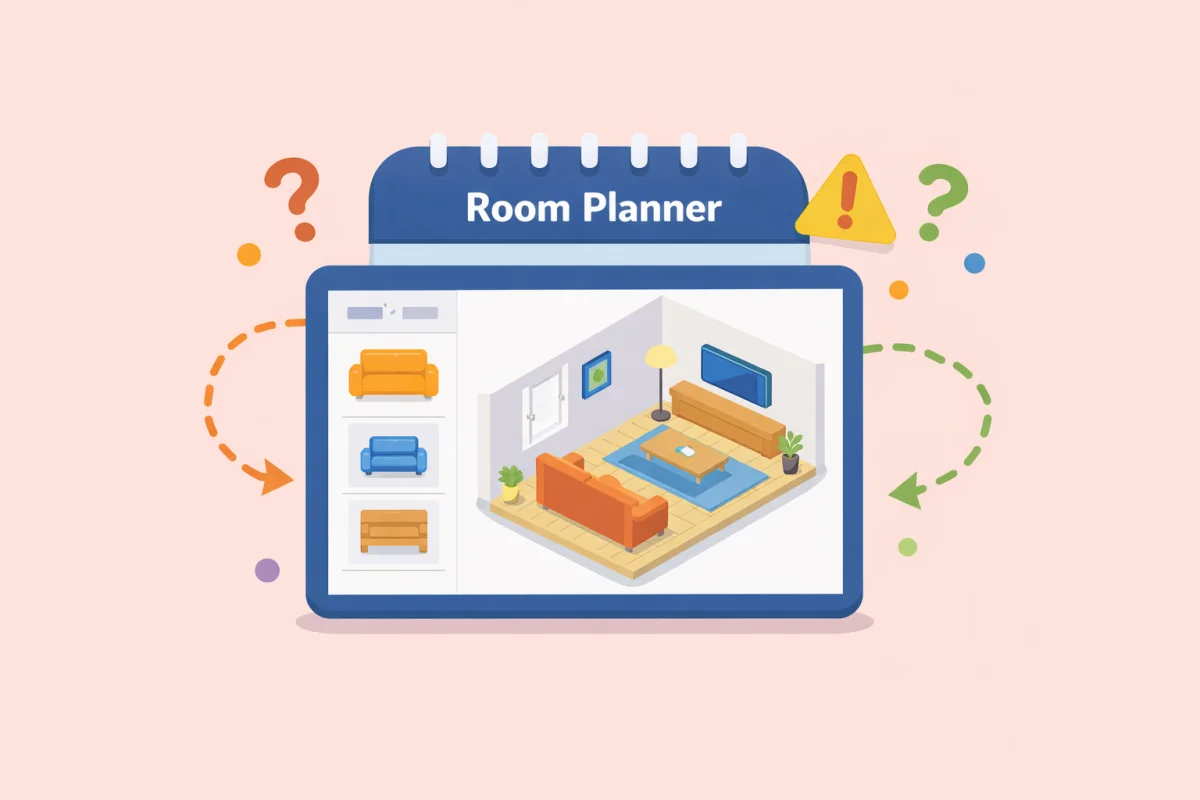
If you wan test different arrangements before you commit, the Room Planner na for that kind decision.
Mistake 1: Buy Furniture Before You Plan the Layout
Na one of the most expensive mistakes people dey make.
Dem go buy sofa, desk, bed, or table because e look correct on its own, then later try force the room make e match am.
For small room, that order dey fail plenty times.
Better process na:
- measure the room
- understand wetin the room suppose do
- test a layout
- then buy furniture wey fit the plan
This sequence dey stop plenty regret.
Mistake 2: Choose Furniture Wey Too Deep or Too Wide
Small rooms no just need shorter furniture. Dem need furniture with correct proportion wey go allow you move.
One item fit technically fit for wall, but still:
- block movement
- make the room look heavy
- reduce useful floor space
This one dey happen often with:
- sofas
- beds
- dining tables
- big desks
For small room, even small extra inches for depth fit matter pass as people think.
Mistake 3: Ignore Walkways
One easy way to make room feel tight na to treat every open floor like unused space wey you must fill.
Good layout dey protect movement.
If room force people to:
- squeeze pass furniture
- turn awkward for corners
- open door enter blocked space
then the layout dey collect comfort from you every single day.
Small rooms need clear paths pass as dem need more pieces.
Mistake 4: Push Everything Go Wall Automatically
People dey do am for small rooms because e feel like the obvious way to create more space.
Sometimes e dey help. Sometimes e make room flat, disconnected, and less intentional.
The correct choice depend on:
- the room shape
- wetin the space suppose do
- the scale of the furniture
The point no be to follow rule blindly. The point na to test wetin create usable space, no be just empty edges.
Mistake 5: Forget the Main Purpose of the Room
Room layout no dey successful because every piece fit.
E successful because the room support the activity wey e exist for.
Small bedroom fit need:
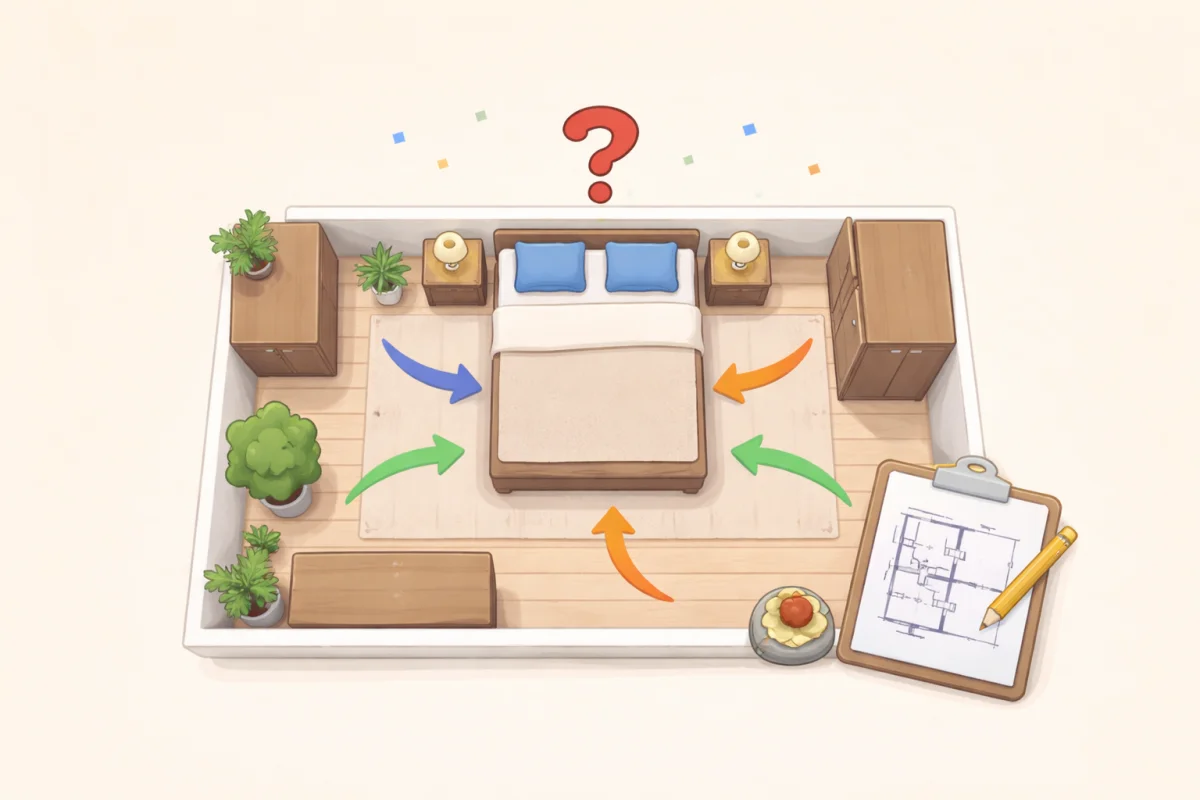
- better movement around the bed
- access to storage
- one clear path wey no clutter
Small living room fit need:
- seating direction wey make sense
- one focal point
- open entry and waka space
The layout suppose serve the room job, no be just the measurements.
Mistake 6: Use Too Many Small Pieces
E fit sound like opposite, but small rooms fit turn clutter if people overcorrect with plenty tiny pieces.
Too many small tables, stools, shelves, or decor items fit make the room busy and less usable, even if each one small.
Sometimes, fewer pieces wey better size dey give cleaner and more functional result.
Mistake 7: No Test the Layout Before You Buy
Na here room planning dey turn practical, no be just aspiration.
When you test layout first, you fit see:
- if the main pieces fit
- if doors and windows still dey usable
- if walkways still make sense
- if the room dey balanced
That one cheap pass to learn the answer after delivery.
Better Way to Plan Small Room
The strongest approach mostly be like this:
1. measure the room well well 2. identify the main function 3. choose the anchor piece first 4. protect movement space 5. add only the pieces wey still serve the room well
That order help you keep the layout practical instead of reactive.
Final Takeaway
If you wan small room feel better, the goal no be to fill every corner. Na to make every piece earn where e dey. Most small room layout mistakes dey come from buying too early, ignoring movement paths, or designing around objects instead of the room real function.
Use the Room Planner to test the layout before you buy or move furniture. For small room, plan first usually be the difference between “e fit” and “e actually work.”