How to Calculate a Medication Course End Date
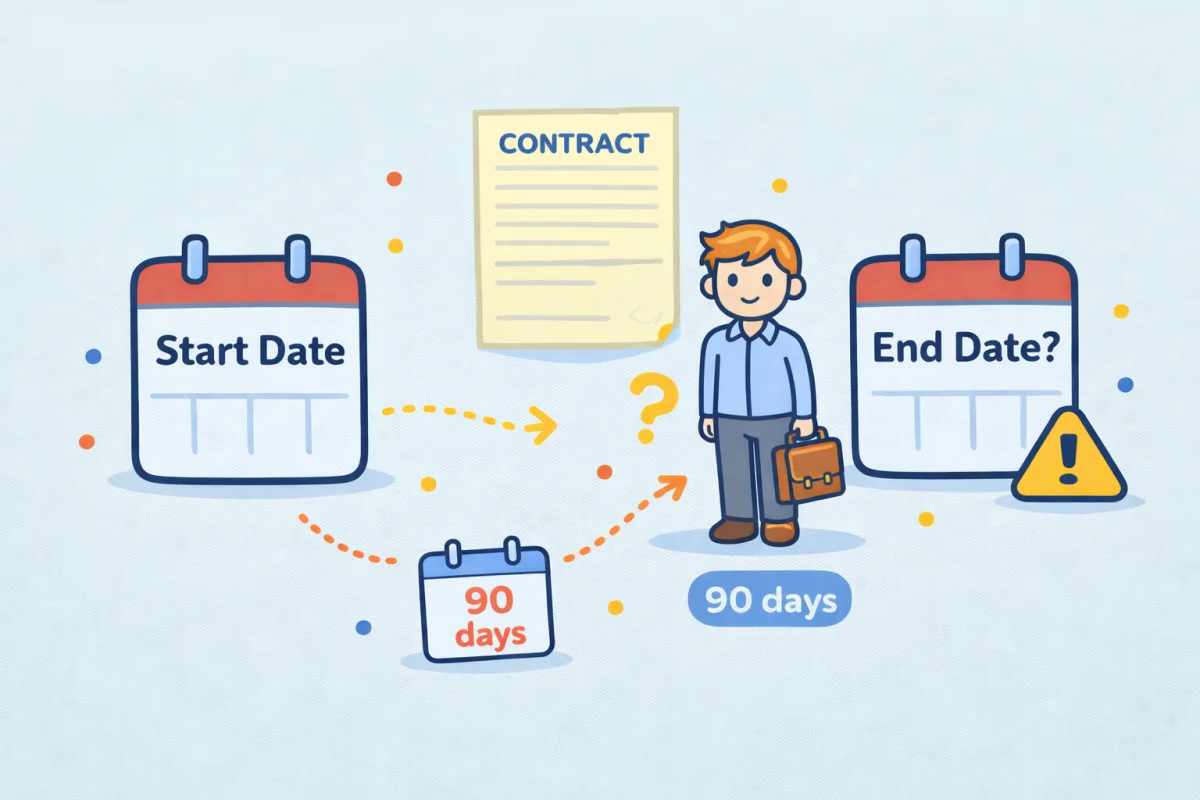
"Take one tablet twice daily for 10 days." Simple enough — but when does the course actually end? If you start on a Thursday evening, is the last day 10 days later on a Sunday, or does the first partial day count differently?
Getting the end date right for a course of medication matters more than it might seem. For antibiotics, finishing the full course is essential — stopping too early contributes to antibiotic resistance and incomplete treatment. For some medications, the end date determines when you can start another drug, have a procedure, or resume normal activities.
The Basic Calculation
A medication course end date is simply a date addition: take the start date, add the course length in days, and that's when the last dose falls.
If you start a 10-day antibiotic course on April 8 (Tuesday), the course runs through April 17 (Thursday). Use the date add calculator to find this instantly — enter April 8 as the start date and add 10 days.
The important question is: does "day 1" mean the day you start, or the first full day after you start?
Day 1 = the day you start. This is the most common convention in medicine. If you take your first dose on Tuesday, Tuesday is day 1, and a 10-day course ends on Thursday (day 10 of the following week).
Day 0 = the day you start. Some protocols — particularly in hospital settings for post-operative antibiotics or IV medications — use day 0 for the start date, making the last day of a 10-day course fall on day 10 (11 days after you start, in calendar terms).
When in doubt, check with your pharmacist. For most outpatient prescriptions, day 1 = the day you fill and start the prescription.
Common Course Lengths and Their End Dates
Here are typical course lengths across common medication types, with how to calculate the end:
Antibiotics: Most courses are 5, 7, or 10 days. Some (like certain UTI treatments) are 3 days; others (like treatment for H. pylori or Lyme disease) may run 14 days or more. Add the course length in days to your start date.
Antifungals: Oral antifungal treatments vary widely — from a single dose to 1–4 weeks. For fluconazole for a yeast infection, it may be a single tablet. For skin or nail fungal infections, treatment can run 2–12 weeks.
Corticosteroids (prednisone, prednisolone): Often prescribed as tapers — the dose decreases over the course. A common short course might be 5–7 days; longer tapers can run several weeks. The end date is the last day of the lowest dose, not the day the dose changes.
Antivirals (e.g., acyclovir, oseltamivir): Typically 5–10 days depending on the condition being treated.
Post-procedure antibiotics: After dental work, surgeries, or procedures, prophylactic or treatment antibiotics are often 3–7 days from the procedure date.
When Timing Within the Day Matters
For most once-daily or twice-daily medications, the exact time of the last dose matters for determining when you've "finished" the course and for any subsequent medication timing.
Example: You take a 7-day antibiotic course, twice daily (morning and evening), starting Monday morning. Your doses fall on:
- Monday through Sunday: 7 × 2 = 14 doses total
- Last dose: Sunday evening
If you need to start a new medication after finishing the antibiotic, "after the last dose" means after Sunday evening — potentially waiting 12–24 hours depending on the new drug's interaction profile. Your pharmacist can advise on this specifically.
Calculating Follow-Up Appointment Timing
Follow-up appointments after a medication course are often timed relative to the course end:
- "Come back 1 week after finishing your antibiotics" — add 7 days to the course end date
- "Follow-up in 2 weeks" from the start of treatment — add 14 days to the start date
- "Blood test 48 hours after last dose" — add 2 days to the course end date
The date add calculator handles all of these: enter the relevant reference date (course start or course end), add the stated number of days or weeks, and you have the target appointment date.
Post-Medication Waiting Periods
Some medications require a waiting period after the course ends before you can:
Start another medication. Drug interactions can extend beyond the last dose, particularly for medications with long half-lives. MAOIs (antidepressants) have notable washout periods — up to 14 days after stopping — before certain other antidepressants can be started safely.
Drink alcohol. Metronidazole (Flagyl) and tinidazole require avoiding alcohol during treatment and for 48–72 hours after the last dose. Some cephalosporins also have a disulfiram-like interaction.
Have procedures or surgery. Blood thinners, aspirin, NSAIDs, and certain herbal supplements may need to be stopped a set number of days before a procedure. Your surgical team will give you a specific stop date, but knowing how to calculate it yourself helps you verify.
Become pregnant (for some medications). Certain medications have teratogenic effects that extend beyond the last dose, requiring a waiting period before trying to conceive. Methotrexate, for example, requires a waiting period of at least 3 months after the last dose.
For all of these, add the required number of days to the course end date using the date add calculator to get the exact earliest safe date.
Missing Doses: Does It Change the End Date?
If you miss a dose mid-course, the standard guidance for most medications is to take the missed dose as soon as you remember (unless it's close to the next dose, in which case skip it and continue normally). The end date of the course generally stays the same — you don't extend the course by the number of days you missed.
The exception is when doses were missed for several consecutive days. For a treatment to be effective, particularly antibiotics, the total number of doses matters more than the calendar end date. If you missed 3 days of a 10-day antibiotic course, consult your doctor or pharmacist about whether to extend or complete the remaining doses.
Practical Setup: Calendar Reminder at Course End
The most effective way to ensure you finish a medication course is to set a calendar reminder on the last day when you first start. Many people intend to finish but lose track, especially when they feel better before the course is complete.
Calculate the end date using the date add calculator on day 1, add it to your calendar with a reminder, and mark it as the day to take your final dose. If there's a follow-up appointment or a post-course waiting period to respect, add those dates too while you have the start date in front of you.